
My introduction to electronics repair began with a heavy Soviet-made soldering iron.
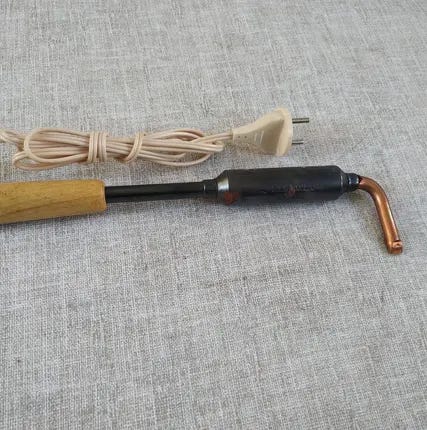
The device was reliable, but it lacked internal temperature control and the precision needed for working with delicate circuits. Years later, as a software engineer, I only needed soldering for simple assembly or repair of electronic devices. A simple 40-watt soldering iron with a flow-through tip proved sufficient for basic tasks, despite its fixed operating temperature and slow temperature recovery.
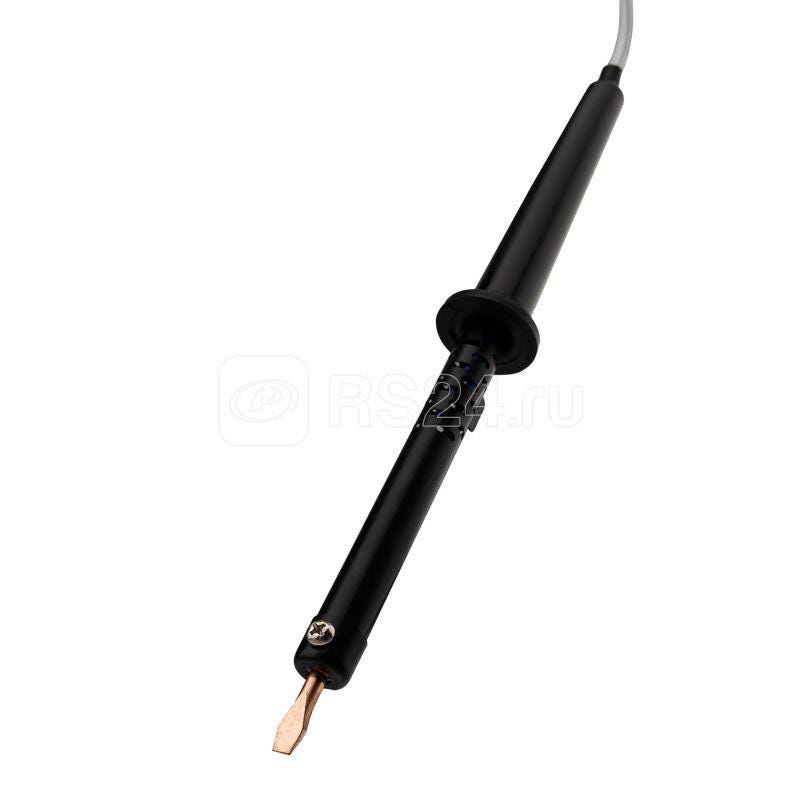
When I decided to return to electronics as a personal hobby after a ten-year hiatus, the range of available tools changed dramatically. The market now offers a wide selection of adjustable equipment at affordable prices. Setting up a new workstation required evaluating how modern heat dissipation systems and updated consumables would impact soldering at home.
The problem of thermal inertia in component repair
JCD 80W Inline Iron Review
Building a workbench from scratch, without using any old equipment, meant starting from the very basics. My first choice was a JCD 80W electric soldering iron with a built-in LCD display, purchased for $12.
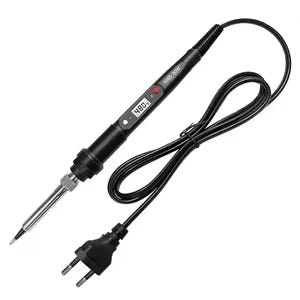
This tool represented a significant functional improvement over older fixed-wattage soldering irons. A built-in microcontroller allowed for manual temperature control, eliminating the need to periodically unplug the device to prevent tip oxidation during periods of inactivity. For simple wire welding and light through-hole work, this soldering iron performed reliably.
During a specific maintenance task—replacing capacitors on an old ATX motherboard—the structural limitations of cheap integrated heating elements were revealed. Multilayer printed circuit boards (PCBs) utilize extensive internal copper ground planes. These copper layers act as large heat sinks, quickly conducting thermal energy away from soldered joints. When attempting to desolder high-temperature factory solder on such boards, an 80-watt JCD soldering iron was unable to maintain the set tip temperature. The motherboard’s thermal mass dissipated heat faster than the internal ceramic element could generate it, leaving the solder hardened and increasing the risk of damage to the board.
Exploring hot air benchtop and precision soldering stations
To solve the heat conduction problem, I used a YIHUA 8858-I portable drying station, which I purchased for $36.

Hot-air stations are essential for surface-mount devices, but using hot air to desolder through-hole capacitors on high-density motherboards presented operational challenges. Ambient hot air distributed heat across a broader surface area than desired, creating potential thermal stress on adjacent components without concentrating sufficient energy onto the target pin.
The final technical solution was to switch to a YIHUA 982-V precision soldering station, purchased for $53.
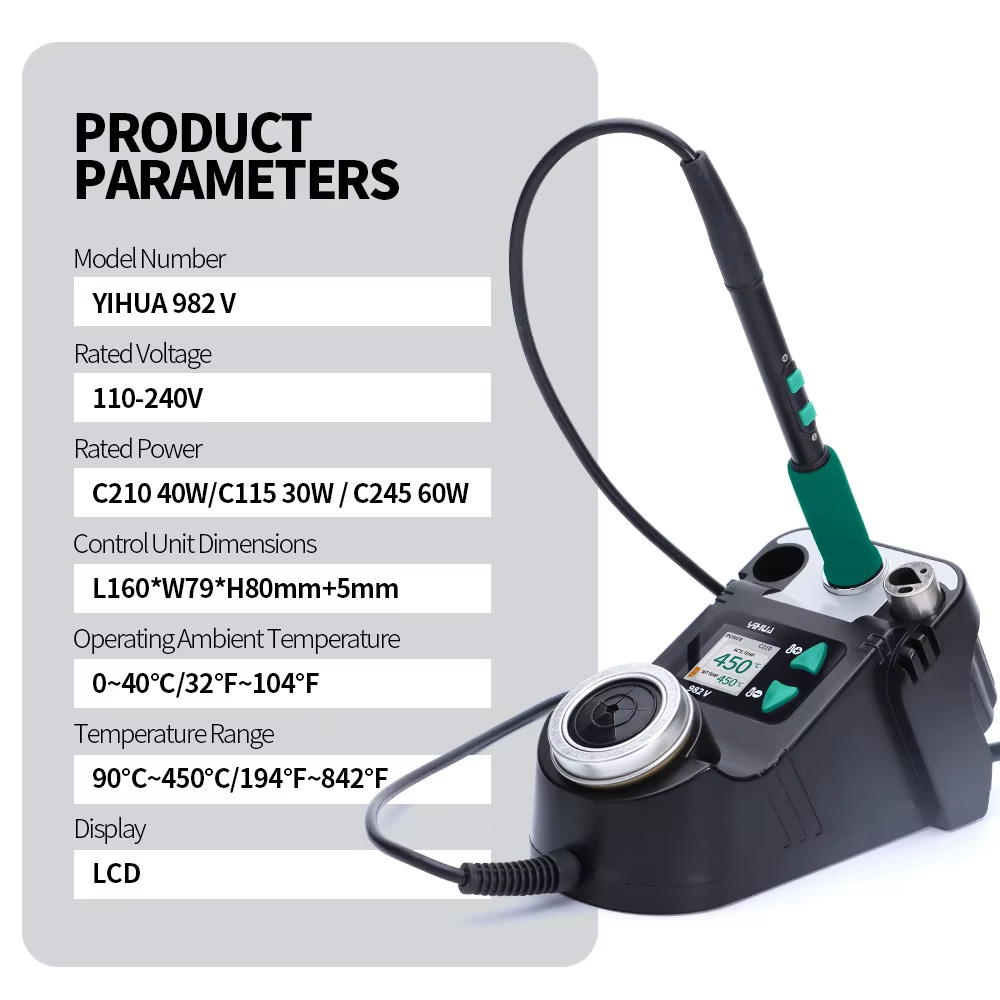
Precision soldering stations use cartridge-type tips, where the heating element, temperature sensor, and tip form a single unit. This design minimizes thermal resistance between the heater and the work surface, ensuring rapid temperature recovery. When used on motherboard ground planes, the station increases heat transfer so much that it instantly melts old solder, allowing for clean component removal without overheating surrounding traces.
Entry-level soldering irons often display accurate idle temperature readings, but they lack the dynamic temperature recovery necessary for heavy-duty grinding applications. A precision cartridge-based soldering station solves the problem of heat loss by placing the heating element directly within the working tip.
Modern consumables and working environment
Equipment and components make up only half the soldering process. Traditional pine rosin and low-grade solder wire produce thick smoke and acrid, long-lasting fumes. In residential settings, airborne particles cause immediate discomfort and domestic conflict.
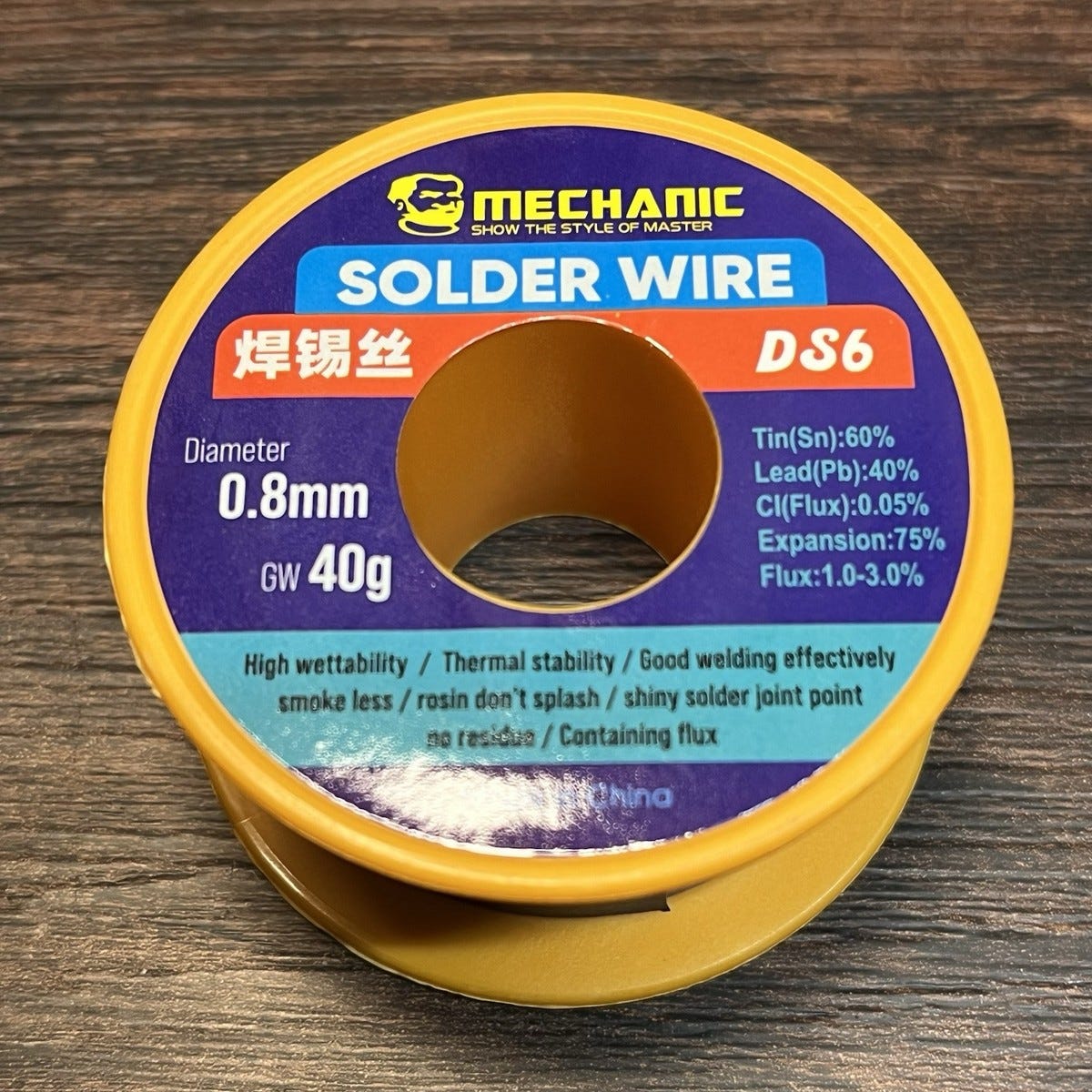
Updating the chemical consumables significantly improved performance without incurring excessive costs. Replacing the outdated alloy wire with MECHANIC DS6 solder wire, 0.8 mm in diameter, for $3 eliminated persistent odors in the room while maintaining consistent connection quality thanks to its low-smoke composition.
The transition from solid rosin blocks to a soft gel flux, specifically MECHANIC UV559, priced at $7, has radically changed the solder flow dynamics. Applied with a syringe, this gel adheres directly to the solder pads, prevents surface oxidation during heating, and leaves a non-corrosive residue that requires no cleaning with aggressive solvents.
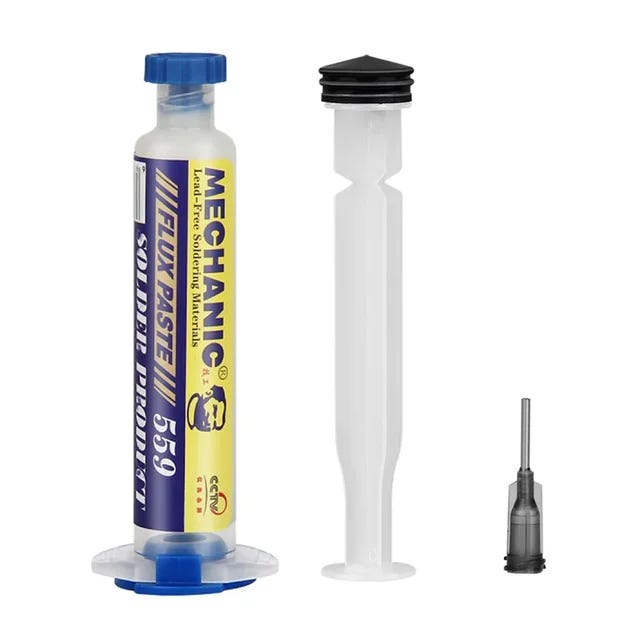
Proper flux application reduces surface tension and accelerates heat transfer, making it as important to joint integrity as the heat output of the soldering station itself.
Lowering the barrier to entry into the world of amateur electronics
The modern availability of equipment for hobbyists eliminates the historical challenges of home-based PCB fabrication and repair. While even the most basic entry-level soldering irons remain functional for basic wiring, ditching them in favor of a precision cartridge soldering station costing around $50 ensures superior temperature stability and protects sensitive PCBs from thermal stress. Combined with modern, no-clean consumables, the process becomes significantly cleaner, quieter, and more predictable.
If a soldered joint is not transferring heat well, the primary corrective action is rarely increasing the force or raising the set temperature—it is applying fresh flux.