
Assembling a personal computer from the late 1990s provides a valuable retrospective look at hardware design and operating system architecture. Building the machine from an untested set of legacy components forced a return to basic system administration techniques, a stark contrast to modern automated environments. The primary goal was to create a functional installation of Windows 98 Second Edition, released by Microsoft in May 1999, to run programs like The Ultimate Doom directly from physical floppy disks.
Hardware Discovery and BIOS Design
The initial system initialization revealed an unusual artifact in the basic input/output system interface. A separate tab in the settings contained the message: We design this board with pride.
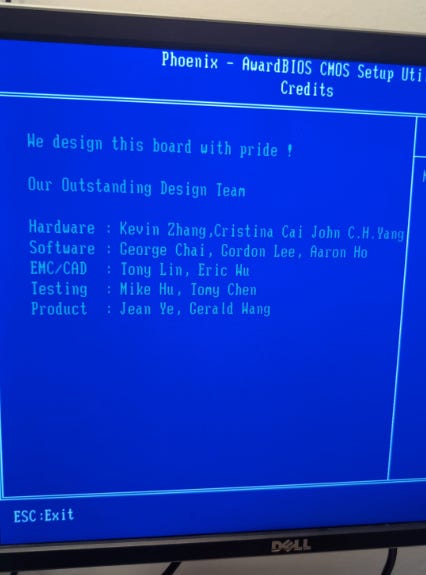
As a former hardware engineer, I believe this explicit acknowledgement of authorship underscores an era when board designers interacted directly with end users. Modern hardware development often hides these human touches behind standardized firmware interfaces and unified software packages. Seeing this statement made me reflect on how modern engineering workflows prioritize rapid iteration and abstraction over visible individual craftsmanship.
Installation Pathways and OS Granularity
During the Windows 98 Second Edition installation, the setup program offers a structured choice between a standard installation and an advanced user option. Modern operating systems prioritize simplified deployment models that hide configuration options from the user, relying on automatic hardware detection and strict default settings. When a modern OS encounters a non-standard case, changing the default behavior requires accessing hidden settings or running administrative commands in the command line.
In contrast, operating systems of the late 1990s recognized that automatic detection could fail with non-standard hardware configurations. User interfaces aimed at power users allowed for granular control over specific system components, configuration settings, and network protocols, requiring the installer to make explicit decisions rather than passively relying on automatic selection.
Key Insight: Legacy setup procedures operated under the assumption of user autonomy, providing direct access to low-level setup parameters rather than hiding hardware abstraction behind automated procedures.
Hardware Identification and Driver Resolution
Integrating untested peripheral boards and motherboard components resulted in immediate driver failures. Generic drivers downloaded from modern online repositories failed to initialize devices due to version level mismatches and modified subsystem vendor codes. Resolving these driver conflicts required extracting precise hardware identifiers directly from bus registers.
To obtain these parameters without running display drivers or network stacks, the necessary diagnostic data was obtained using the Hardware Info utility via the MS-DOS command interface using the hwinfo /ui This utility retrieves a complete list of device attributes, including PCI vendor identifiers (VEN) and device identifiers (DEV). Matching these specific pairs of hexadecimal identifiers with the driver INF configuration files resolved device initialization errors.
When driver mismatches caused system instability or memory access violations, Safe Mode served as an important recovery mechanism. In Windows 98 SE, Safe Mode loads a minimal set of device drivers and system services, bypassing third-party kernel modules. This environment allowed manual editing of configuration files, such as SYSTEM.INI and the system registry, and removal of conflicting driver files before returning to normal operation.
Key Insight: Command-line diagnostic utilities, combined with minimal execution modes, remain the primary mechanism for recovering systems in the event of automatic device enumeration failure.
Execution and System Validation
Achieving system stability required methodically resolving each driver assignment, adjusting interrupt requests, and checking the system’s storage channels. This process culminated in running The Ultimate Doom, originally released in 1995, loaded directly from physical floppy disks.
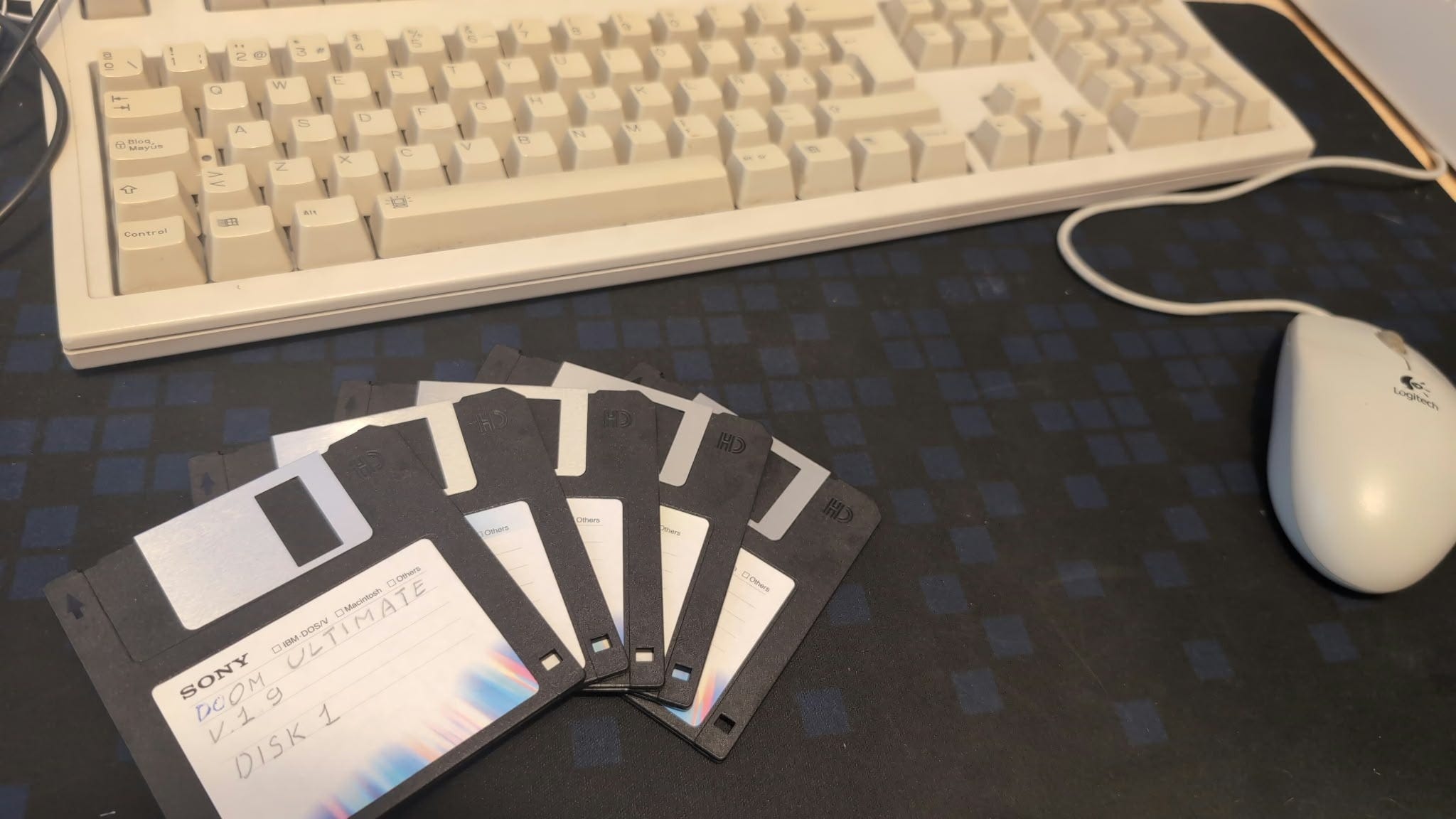
Running software from magnetic media required checking the disk controller’s synchronization and direct memory access channel allocation, confirming the proper configuration of both the physical layer and the operating system drivers. Reconstructing legacy hardware configurations reveals that behind the complexities of legacy setup procedures lies a clear logic of hardware control. The manual troubleshooting processes used in legacy systems provide a clearer understanding of the low-level interactions of components than modern plug-and-play abstractions.